3 Laser Dentistry Procedures
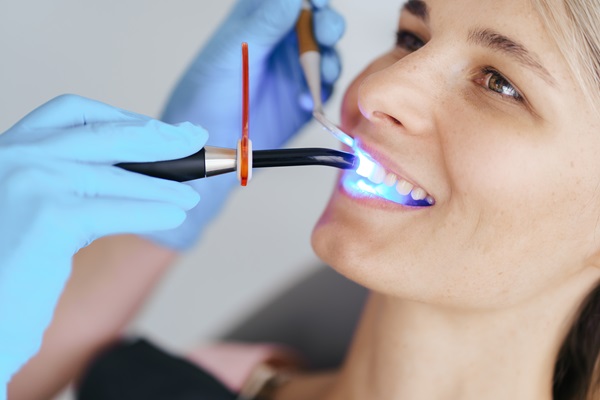
Laser dentistry has been around for several years. In recent years, it has become more popular because it offers an effective way to perform many procedures. Dentists use lasers to treat a variety of conditions, including tooth decay. Read on to find out when your general dentist may recommend laser dentistry.
Laser dentistry
Many dental professionals believe that lasers can make dental treatments more efficient. Lasers usually help to treat a range of conditions related to the soft tissues and hard tissues in the mouth. Dentists can also perform cosmetic treatments with lasers rather than manual scalpels. There are several dental procedures that use lasers. These include gum disease treatment, laser teeth whitening treatment, and cavity detection.
Gum disease treatment
Gum or periodontal disease is a common infection of the supporting tissues and bone that hold the teeth firmly in place. The condition is usually caused by a variety of factors. These include poor oral health and smoking. Other common causes include chronic illnesses like diabetes, some medications, and genetic susceptibility. Some treatment options for periodontal disease are scaling and root planing or gum flap surgery.
When it comes to laser therapy, the dental provider will use a laser to access and get rid of inflamed gum tissue from around the tooth’s root. Root scaling often starts once the infected tissue has been removed and the root is exposed. The provider will scrape off the calculus and plaque built up around the root and below the gumline. The dentist will then use particular instruments to remove any rough spots.
This will ensure they do not attract bacteria and cause future infections. The region between the patient’s gum and the root can then regenerate during the healing process. There are many benefits to using lasers to treat gum or periodontal disease. When lasers are used correctly, the patient experiences less swelling, bleeding, and discomfort during treatment.
Laser teeth whitening and cavity detection
Laser teeth whitening is an effective way to reduce stains. The procedure involves the application of a bleaching gel to the front of the teeth. The bleaching gel is often made with either carbamide peroxide or hydrogen peroxide. It usually releases oxygen onto the teeth’s surface and whitens them. The dentist may then decide to use a bleaching light or laser.
After it is switched on, it will activate the bleaching process. Patients must sit still to ensure the laser shines evenly on all the teeth. Lasers often speed up the bleaching process during whitening sessions. Some people get noticeable results from this treatment in just one visit to the dentist. Some lasers can also detect tooth decay or cavities early. They are commonly used by dentists to remove decay-causing bacteria and cavities in teeth.
Is laser dentistry right for you?
Lasers can treat many dental conditions and diseases. They can also make dental procedures more comfortable for patients. To find out if laser dentistry is right for you, talk to your dentist. Your dentist will recommend the ideal treatment option based on your situation.
Are you considering laser dentistry in the Whitter area? Get more information at https://emergencydentistswhittier.com.
Check out what others are saying about our dental services on Yelp: Laser Dentistry in Whitter , CA.
Related Posts
Dental implants provide a reliable, long-term solution for replacing missing teeth, but not every patient qualifies for treatment immediately. Several oral health and medical factors can affect whether implant placement is appropriate at the time of evaluation. The goal of a general dentist is to identify these concerns and develop a treatment plan that improves…
Understanding how clear aligners work is the first thing someone needs to do when considering these popular teeth straightening options. Because there are a few different straightening options to choose from due to updated dental technologies, those needing straightening services have a few choices. Clear aligners are one of the popular options people are choosing.Understanding…
Endodontics treatment, which is the treatment of the tooth's inner pulp and structures, is one of the most efficient ways to save decaying or damaged teeth. Many individuals, however, get anxious when they learn they need it. This is mostly due to the widespread misconception that undergoing endodontic treatment is unpleasant. It is incorrect —…
Choosing to invest in cosmetic dentistry is an exciting decision that can change how you feel about your appearance and social interactions. A bright smile creates a strong first impression and helps you feel more at ease during important life moments. Modern dental advances have made it easier than ever to reach your cosmetic smile…
